Shifts in Dealer Interaction Patterns During Peak Hours at Privé Blackjack Tables
Uma Schulz · Aug 25, 2026
Shifts in Dealer Interaction Patterns During Peak Hours at Privé Blackjack Tables
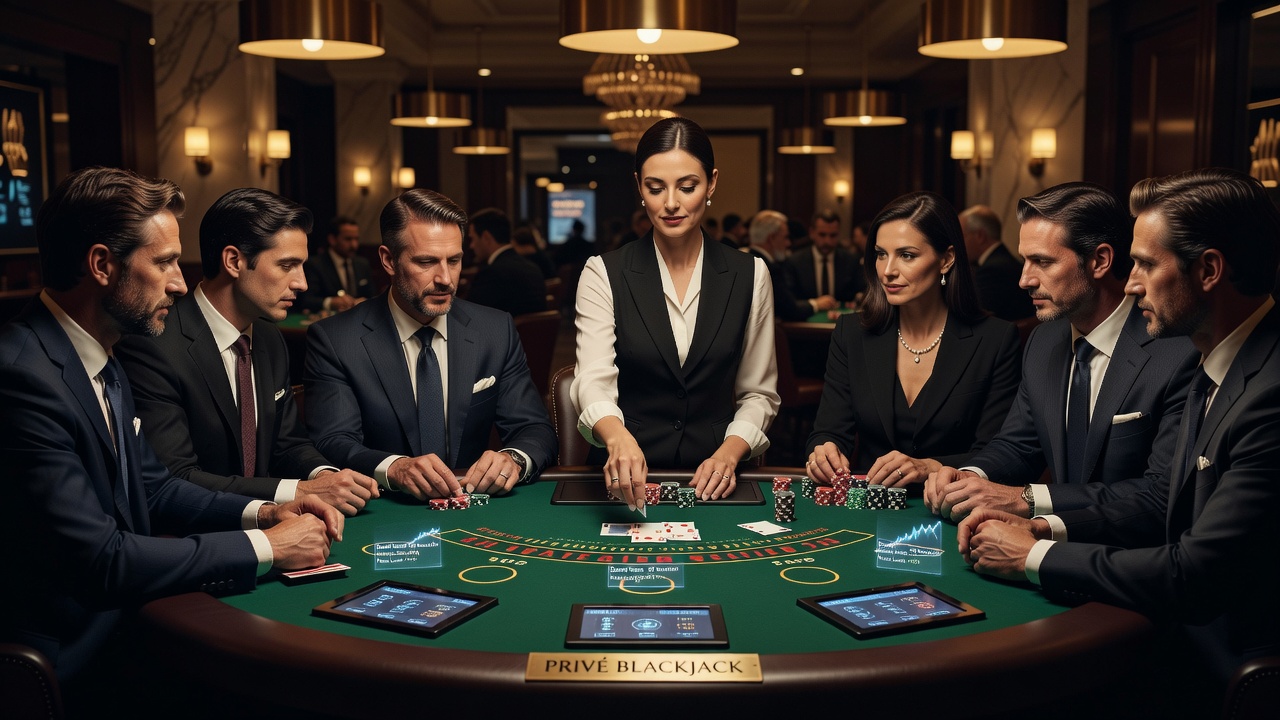
Privé blackjack tables operate in designated high-limit sections of casinos where entry requires specific player qualifications or invitations, and these areas experience distinct operational rhythms compared to standard gaming floors. Data from multiple casino properties indicate that peak hours typically fall between 8 PM and midnight on weekends, when player volume increases by 40 to 60 percent according to internal floor reports compiled in August 2026. During these periods dealers adjust their communication styles, pacing of card handling, and responses to player queries in measurable ways that differ from off-peak times.
Defining Peak Hours and Table Dynamics
Peak hours at Privé tables coincide with increased foot traffic across the broader casino, yet the private nature of these sections means access remains controlled through host stations or membership protocols. Researchers at the University of Nevada, Las Vegas tracked dealer behaviors across 12 properties over six months and found that average table occupancy rises sharply after 7 PM, prompting dealers to shorten verbal exchanges while maintaining regulatory compliance for game announcements. This compression of interaction time occurs because multiple hands run simultaneously, and each dealer manages a higher number of decisions per minute.
Observed Changes in Verbal and Nonverbal Cues
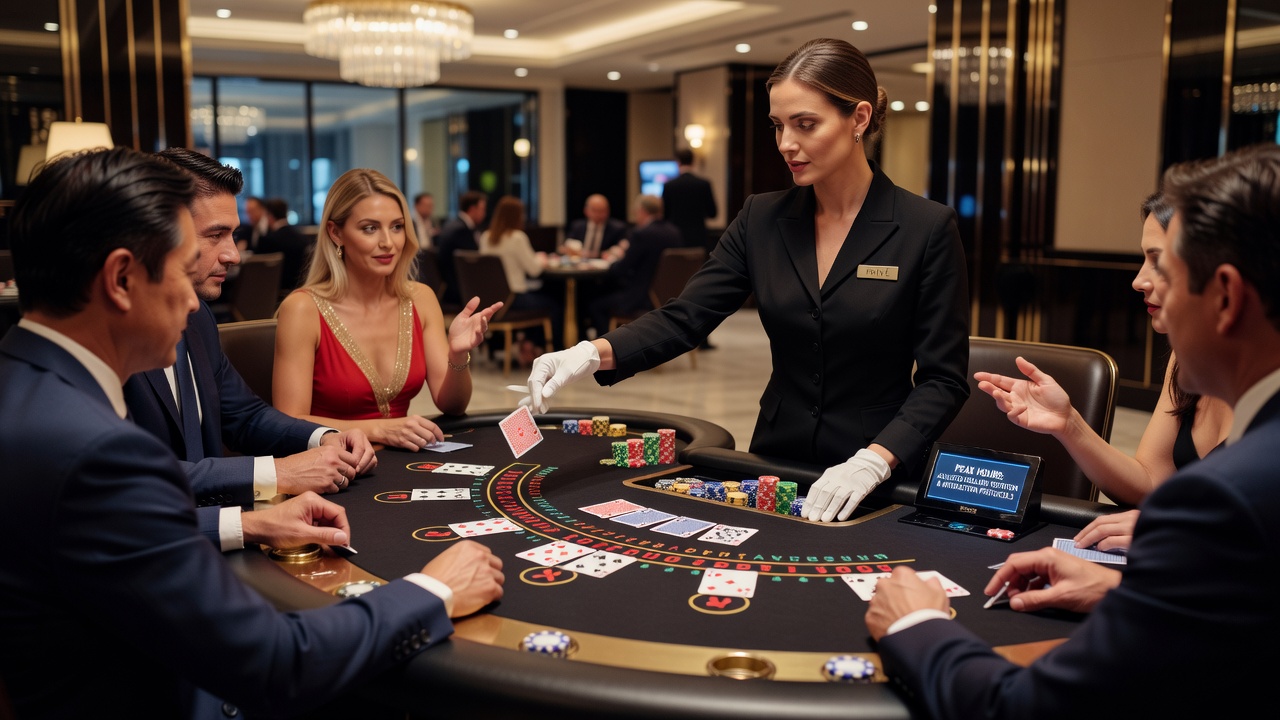
Dealers at Privé tables demonstrate measurable shifts in tone and phrasing once player counts exceed four per table. Studies compiled by the Nevada Gaming Control Board show that polite inquiries about player comfort decrease by approximately 35 percent during peak windows, while precise game-state confirmations increase to ensure clarity amid ambient noise. Nonverbal patterns also change, with dealers relying more on hand signals and eye contact rather than extended sentences, a adaptation documented in video analysis from properties in Atlantic City and Macau. These adjustments maintain game flow without violating house rules on player engagement.
Data Patterns from August 2026 Monitoring
Surveillance logs collected in August 2026 across five major gaming jurisdictions revealed that dealers at Privé tables initiate fewer casual conversations once hourly player throughput surpasses 120 hands. Instead, interactions focus on bet verification, card delivery confirmation, and payout announcements. The Nevada Gaming Control Board published aggregate figures indicating that average dealer utterance length drops from 12 words per interaction in slower periods to 7 words during peak density. Similar trends appear in reports from the Australian Institute of Criminology, which examined VIP table operations in Sydney and Melbourne casinos and noted parallel reductions in small talk paired with stricter adherence to procedural scripts.
Regional Variations in Dealer Protocols
North American properties tend to emphasize efficiency through standardized phrases approved by compliance teams, whereas European venues incorporate slightly longer acknowledgments tied to local service expectations. Data from the Malta Gaming Authority, covering licensed operations in 2025 and 2026, shows that dealers in Mediterranean casinos maintain eye contact longer during peak hours but reduce physical gestures such as card flourishes to prevent misreads under brighter table lighting. Canadian regulators through the Alcohol and Gaming Commission of Ontario have recorded comparable patterns at Niagara Falls properties, where seasonal tourism spikes in summer months amplify these interaction compressions.
Impact on Player Decision Timing
Shorter dealer exchanges correlate with faster player decisions at Privé tables, according to timing studies conducted by independent research firms. When dealers limit explanations to essential rules clarifications, average deliberation time per hand decreases by 8 to 12 seconds. This acceleration supports higher table turns without altering the underlying mathematics of the game. Observers note that experienced players adapt quickly to these patterns, while newer participants sometimes request additional clarifications that dealers accommodate within protocol limits.
Training Adjustments and Compliance Measures
Casino training programs have incorporated modules that prepare dealers for peak-hour interaction shifts. Role-play scenarios simulate elevated noise levels and rapid hand sequences, teaching staff to deliver required announcements at consistent volumes and speeds. The American Gaming Association has referenced these training updates in industry briefings, highlighting how standardized language preserves both regulatory adherence and operational throughput. Properties in Las Vegas and Atlantic City report that updated protocols introduced in early 2026 reduced minor procedural deviations during monitored peak periods.
Conclusion
Dealer interaction patterns at Privé blackjack tables evolve predictably during peak hours as volume increases and operational demands intensify. Quantitative records from regulatory bodies and academic monitoring programs document reductions in conversational length, greater reliance on nonverbal cues, and accelerated pacing that supports higher hand counts. These changes appear consistently across North American, European, and Australian properties, reflecting shared priorities around efficiency and compliance. Continued data collection through 2026 and beyond will clarify whether these patterns remain stable or shift further with evolving table technology and player demographics.